Disease Management
Discover Ayurvedic perspectives, root causes, and holistic treatments for common health conditions.
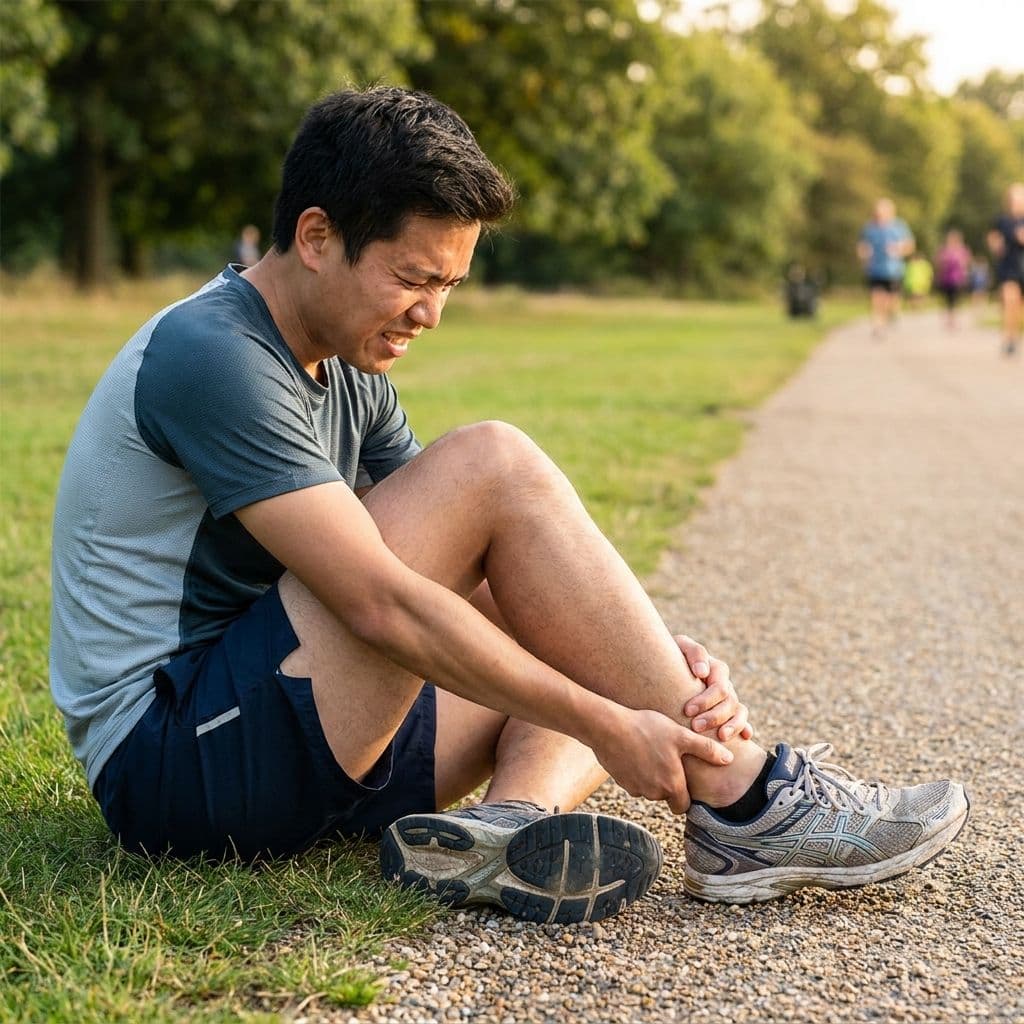
Achilles Tendinitis
Achilles tendinitis causes pain in the back of the heel, often due to excessive running or jumping. Ayurveda views this as a Vata dosha imbalance affecting the Snayu (tendons) and Kandara (ligaments), leading to pain, swelling, and stiffness. Overuse, improper foot movement, and high-intensity exercise aggravate the condition. Ayurvedic treatments focus on balancing Vata, reducing inflammation, and promoting healing through therapies like Panchakarma, herbal medicines, and lifestyle adjustments.
Acne Vulgaris (Mukhadushika)
Acne vulgaris is a common skin condition that appears as pimples on the face. It often starts in teenagers and can leave scar tissue if not cared for. Many people notice pimples that worsen with oily food and stress. Ayurveda calls this Mukhadushika and sees it as a sign of Tridosha disturbance. Kapha and Pitta doshas together with impure blood create the eruptions.
Acute Cervical Disc Bulge
Acute cervical disc bulge is a neck disc problem that pushes on nerves, causing neck pain, arm tingling, stiffness, and radiating pain. Ayurveda manages this through Vata-balancing therapies, Panchakarma, and targeted herbal medicines.
Acute Laryngitis (Svarabheda)
Acute laryngitis causes hoarseness or loss of voice with throat irritation, fever, and difficulty swallowing. It often follows a viral cold, excess voice use, or exposure to irritants such as smoke. In Ayurveda, this condition is called Svarabheda and is linked to Pittanubandha Udana Dusti, which shows Pitta disturbance affecting the voice channel.
Agranulocytosis: Ayurvedic Management and Treatment Strategy
Agranulocytosis is a blood disorder characterized by a severe reduction in neutrophils, leading to increased susceptibility to infections. Ayurveda views this condition as a disturbance in Rakta Dhatu (blood tissue) with imbalances in Pitta (heat energy) and Vata (movement energy). The Ayurvedic approach focuses on blood purification, immune support, and balancing the body's natural defenses through therapies like Panchakarma and herbal formulations.
Anorectal Fistula (Bhagandhara)
An anal fistula is a tunnel linking the anal canal to nearby skin, usually stemming from an unmanaged anal abscess. Ayurveda names this condition Bhagandhara, arising from Tridosha imbalance and obstructed Apana Vayu. Unattended abscess, constipation, and Pitta-aggravating foods trigger it. Ayurvedic treatments include cleansing therapies like Kshara Sutra, Virechana, and Basti, along with herbal medicines such as Guggulu, Triphala, and Kashaya to reduce inflammation and support healing.
Ayurvedic Management for Herpetic Neuralgia
Herpetic neuralgia is nerve pain that follows a shingles rash, causing burning or shooting pain along the path of healed skin. The area may remain sensitive to touch, and discomfort can linger long after the rash heals. Ayurveda views this condition as rooted in Vata aggravation, where Vata governs movement and nerve signaling. Imbalance in Vata leads to nerve hypersensitivity, while depletion of Majja Dhatu and blockage of Margavarana further contribute to symptoms.

Ayurvedic Management of Complex Partial Seizures
Complex Partial Seizures, also called focal impaired awareness seizures, cause changes in consciousness and may lead to repetitive movements or sensations. Ayurveda views these seizures as a sign of Vata dosha aggravation that disturbs the Manovaha Srotas, the channels carrying mental energy. When Vata becomes excessive, it creates instability in the nervous system, leading to seizure episodes.
Ayurvedic Treatment for Benign Prostate Hypertrophy
Benign prostatic hyperplasia (BPH) is a non-cancerous growth of the prostate gland common in older men. The enlarged gland presses on the urethra, leading to difficulty starting urination, frequent urination, weak stream, and pelvic pressure. In Ayurveda, the condition is linked to Vata dosha, especially its subtype Apana Vayu. Aging and a Vata-aggravating lifestyle increase this imbalance, blocking urinary pathways and causing symptoms similar to those seen in modern medicine.
Ayurvedic Treatment for Corns: Causes & Natural Remedies
Corns are thickened skin spots that form on feet or hands, causing pain when pressure is applied. Ayurveda views corns as a manifestation of excess Vata and Kapha, arising from repeated pressure or skin irritation. The Ayurvedic approach focuses on balancing doshas, detoxifying the body, and using herbal remedies to soften and heal the affected skin.
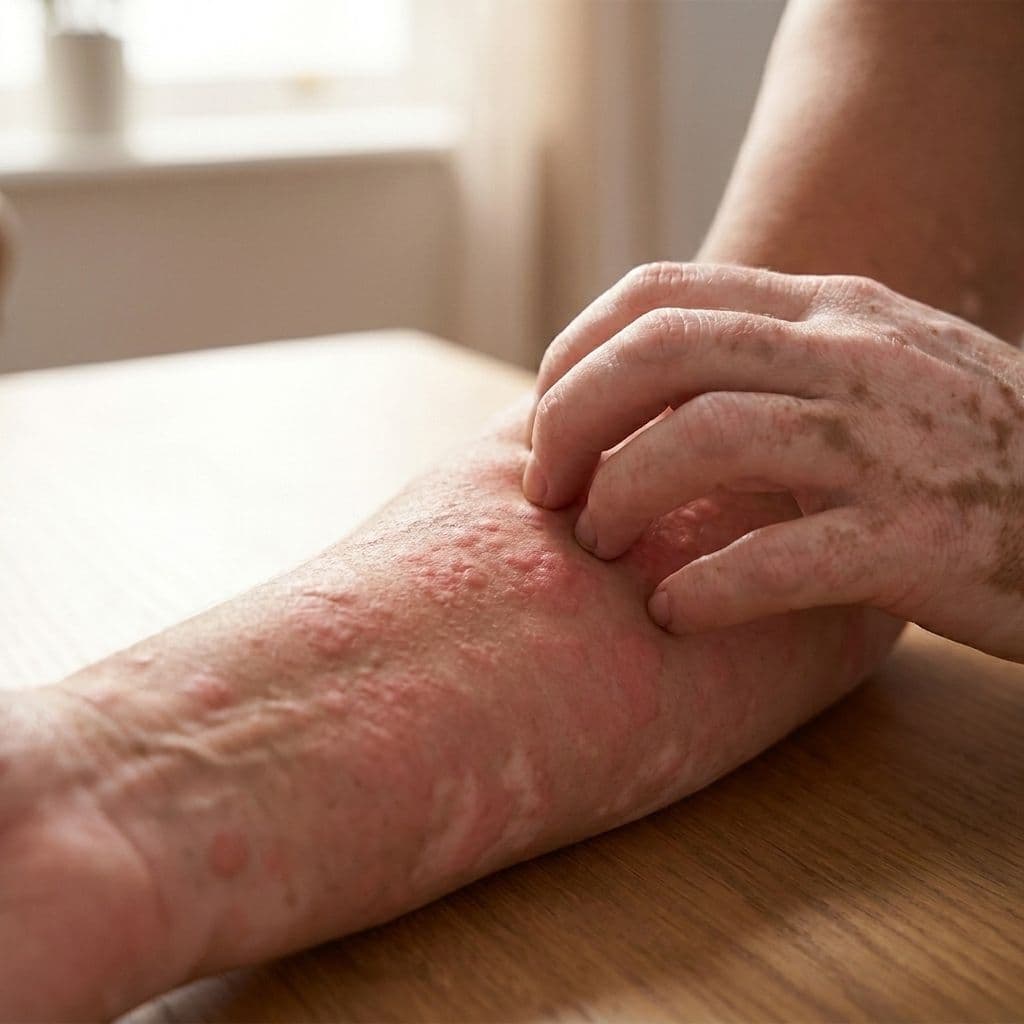
Ayurvedic Treatment for Drug Eruption
Drug eruption, known as a cutaneous adverse drug reaction in modern medicine, manifests as redness, inflammation, itching, and rashes often after taking medication. Ayurveda views this condition as a disturbance of Rakta (blood) dosha and dominance of Pitta and Kapha, triggered by allergic responses to pharmaceutical chemicals.
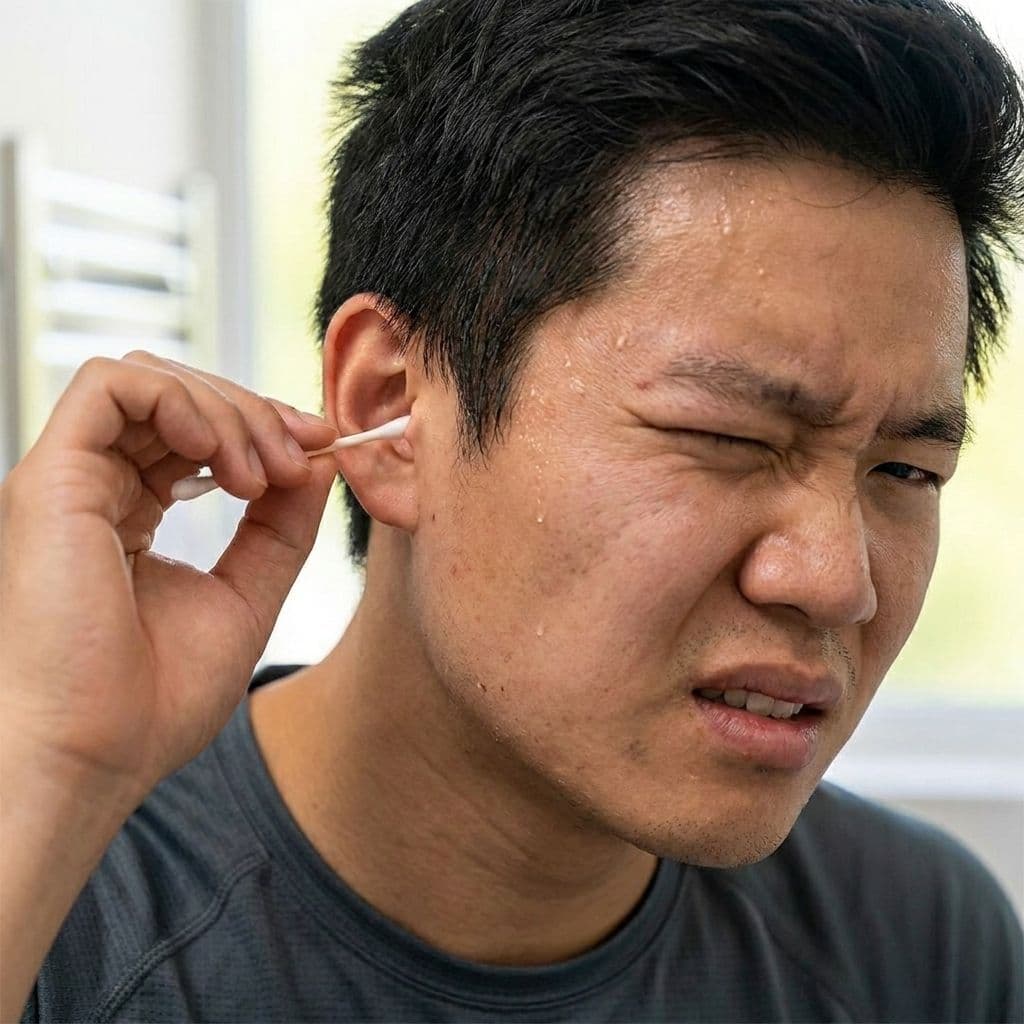
Ayurvedic Treatment for Ear Wax (Karnavarca)
Ear wax is a natural substance that protects the ear, but excessive buildup can block the ear canal. Ayurveda refers to this condition as Karnavarca, caused by an increase in waste from muscle and fat tissues (Māmsa medo mala) and excess oily Kapha dosha in the ear canal (Vata sthana). This leads to wax drying and sticking in the ear, causing discomfort, hearing issues, and pain.
Ayurvedic Treatment for Ear Wax: Causes & Remedies
Ear wax is a natural protective substance in the ear canal. When it builds up, it can block the canal, cause itching, and mild pain. Ayurveda describes excess ear wax as Karnavarca, a Kapha-dominant condition. The accumulated Kapha blocks the ear, leading to itching and discomfort. Proper Ayurvedic treatments and lifestyle adjustments can help manage this condition effectively.
Ayurvedic Treatment for Emaciation (Karshya): Clinical Guide
Emaciation (Karshya) in Ayurveda is characterized by visible wasting, chronic fatigue, dry skin, and low stamina due to Vata dosha imbalance, poor Agni (digestive fire), and depletion of Rasa (nutrient plasma) and Mamsa (muscle tissue). Ayurvedic treatment focuses on Brhmana (nourishing) therapy, Agni Deepana (improving digestion), and balancing Vata through Panchakarma, herbal medicines, and diet-lifestyle modifications.
Ayurvedic Treatment for Fibromyositis and Muscle Pain
Muscle Pain (Fibromyositis) causes chronic muscular ache, stiffness, and limited movement. Modern medicine identifies it as inflammation of muscle and fibrous connective tissue. In Ayurveda, the condition arises from Vata dosha agitation affecting the Mamsa dhatu. Overstrain, cold exposure, improper posture, and a Vata-increasing diet worsen the imbalance.
Ayurvedic Treatment for Herpetic Neuralgia: Root Cause and Relief
Herpetic neuralgia causes nerve pain after shingles infection. Pain often lasts months and may feel sharp or burning. Ayurveda views this condition as Vata aggravation with Majja dhatu depletion and obstruction of pathways, leading to discomfort.
Ayurvedic Treatment for Motor Neuron Disease: A Holistic Guide
Motor neuron disease (MND) harms nerve cells that control muscles, causing difficulty in moving, speaking, swallowing, and breathing. Ayurveda views this disorder as a vata condition called Avarna Vatavyadhi, where vata energy is blocked. The root cause is vitiated vata dosha, and modern studies confirm that nerve loss aligns with this perspective. Ayurvedic treatments focus on cleansing therapies, herbal medicines, and lifestyle adjustments to manage symptoms and improve quality of life.
Ayurvedic Treatment for Parkinson's Disease (Kampavata)
Parkinson's disease is a progressive neurodegenerative disorder that affects movement, causing shaking, stiffness, slowed movement, and difficulty with speech and walking. In Ayurveda, this condition is known as Kampavata and is classified as a Vataja Nanatmaja Vyadhi, arising primarily from an imbalance of the Vata dosha. Ayurvedic treatments focus on balancing Vata through Panchakarma therapies, herbal medicines, and lifestyle adjustments to manage symptoms and improve quality of life.
Ayurvedic Treatment for Rheumatic Fever: A Clinical Guide
Rheumatic Fever is a disease that can develop after a throat infection, causing inflammation in the joints, heart, and skin. Common signs include fever, joint pain, swelling, and rash. In Ayurveda, it is linked to Raktaja Krmi (blood pathogenic factors) and involves imbalanced Kapha, Pitta, and Vata energies. Poor digestion and weak immunity can trigger this imbalance, rooted in an abnormal immune response after infection.
Ayurvedic Treatment for Rheumatoid Arthritis Amavata
Rheumatoid arthritis causes joint inflammation, pain, swelling, and stiffness. In Ayurveda, this chronic condition is recognized as Amavata, which occurs due to weakened digestive fire (Agni) leading to the accumulation of toxic Ama (metabolic waste) in the joint tissues under the influence of imbalanced Vata and Kapha doshas.
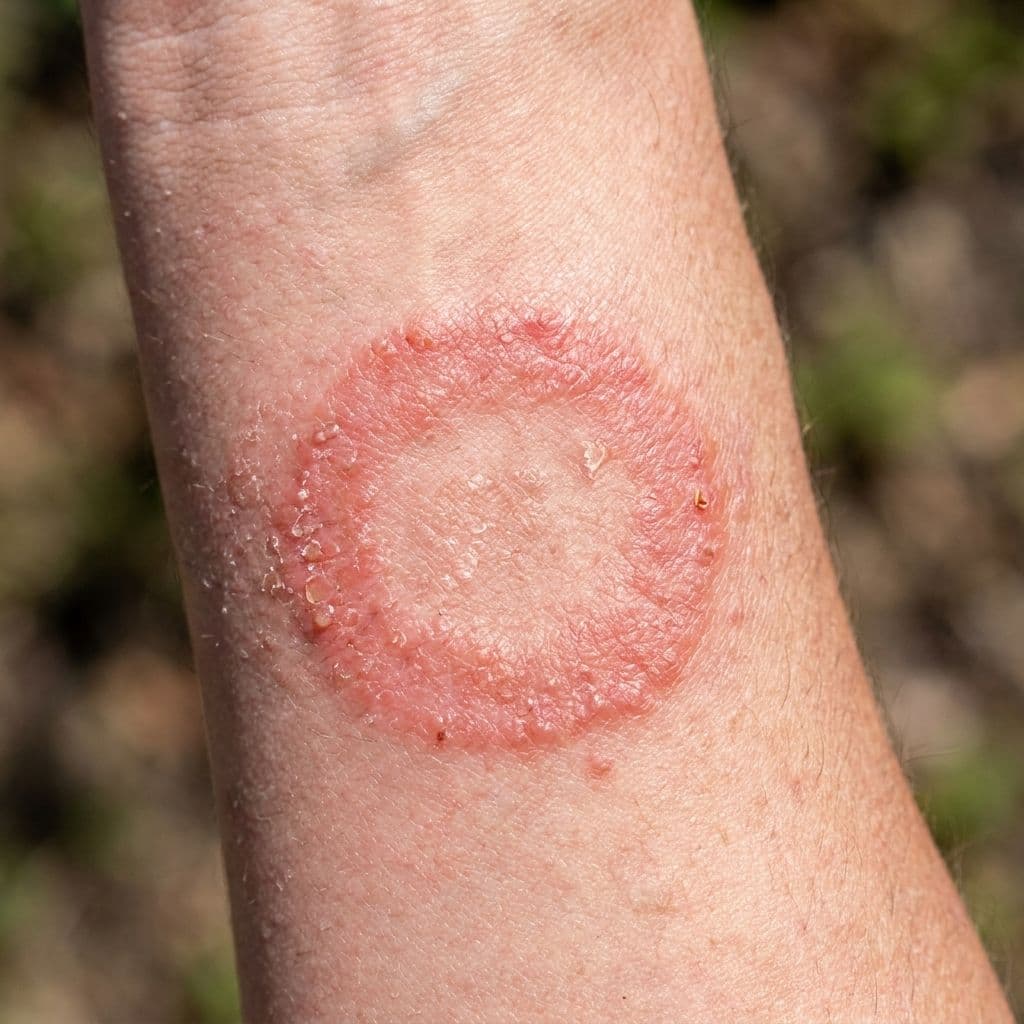
Ayurvedic Treatment for Ringworm: Causes, Remedies & Relief
Ringworm is a fungal skin infection also known as tinea. It presents with circular, red or scaly lesions that often cause itching. Ayurveda views this condition as an accumulation of Kleda (moisture) due to imbalanced Pitta and Kapha doshas, worsened by unhygienic conditions and excess moisture on the skin.
Ayurvedic Treatment for Systemic Lupus Erythematosus (SLE): Holistic Management Strategies
Systemic Lupus Erythematosus (SLE) is a chronic autoimmune disease where the body's immune system mistakenly attacks healthy tissues, leading to inflammation and multi-organ involvement. In Ayurveda, SLE is viewed as an imbalance of Pitta (inflammation energy) and disturbed Vata (irregular immune responses). The Ayurvedic approach focuses on detoxification, immune regulation, and restoring internal balance to manage symptoms and improve quality of life.
Ayurvedic Treatment for Threadworm Infestation
Threadworm infestation, caused by the pinworm Enterobius vermicularis, is a common tropical disease prevalent in areas with poor sanitation and high crowding. Symptoms include anal itching, abdominal discomfort, nausea, and mild digestive upset, often exacerbated by poor hygiene and contaminated food or water.
Ayurvedic Treatment for Trichomonas Vaginalis (Kaphaja Yonivyapada)
Trichomonas Vaginalis causes yellowish discharge, itching, and frequent urination, correlating with Kaphaja Yonivyapada in Ayurveda. This condition involves excess Kapha energy and parasitic infection, requiring a holistic approach combining cleansing therapies, herbal treatments, dietary adjustments, and lifestyle changes for effective management.
Ayurvedic Treatment for Ulcerative Colitis: Natural Healing
Ulcerative Colitis is a chronic inflammatory condition of the colon characterized by bloody stools, abdominal pain, fatigue, and periods of remission and flare-ups. Modern medicine classifies it as an inflammatory bowel disease (IBD). Ayurveda identifies the root cause as weakened digestive fire (Agnimandhya), leading to the formation of metabolic waste (Ama), which disrupts the gut-brain axis and causes Vata-Pitta imbalance with involvement of the blood and muscle tissues (Rakta Mamsa Dushya).
Ayurvedic Treatment for Vomiting (Chardi) | Natural Relief
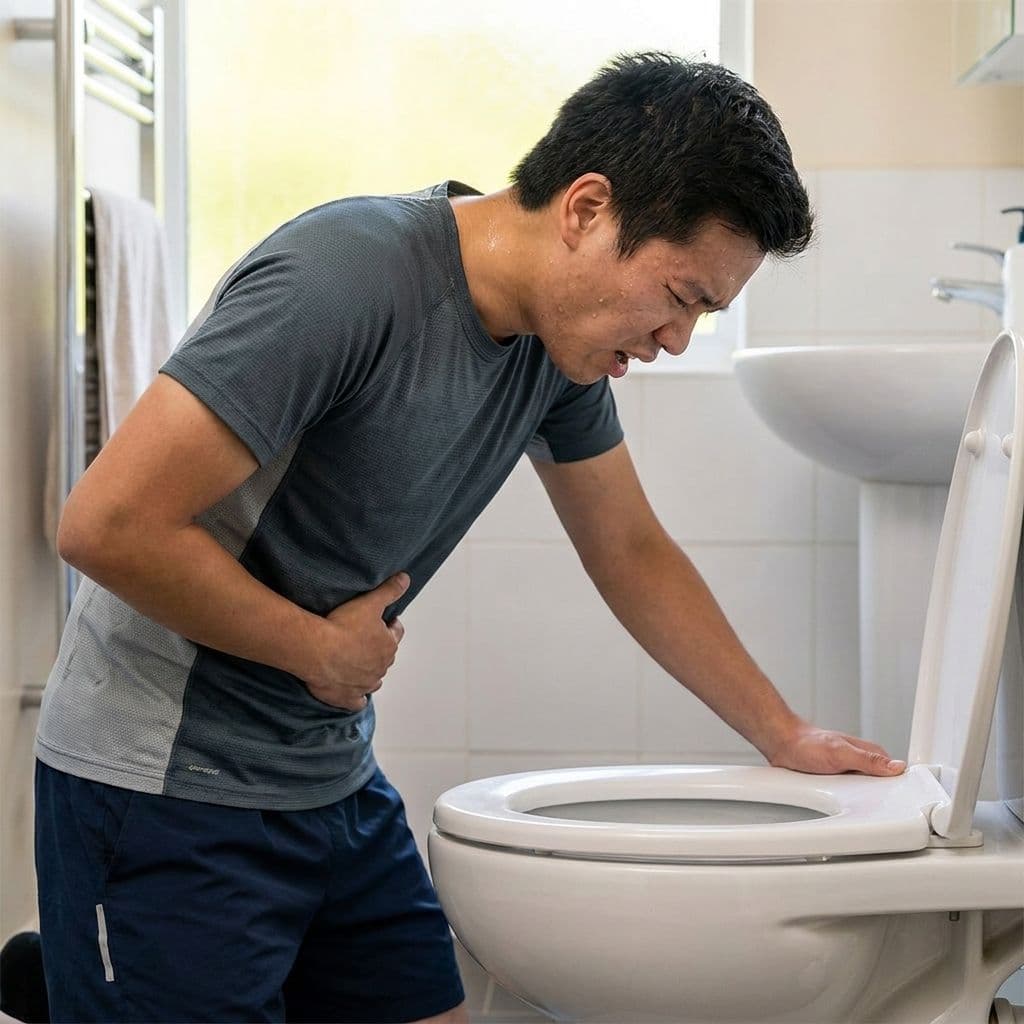
Vomiting is the forceful expulsion of stomach contents, often accompanied by nausea, discomfort, excess saliva, and loss of appetite. Ayurveda views vomiting as a sign of disturbed digestive fire (Agni) and toxin (Ama) buildup, primarily triggered by an imbalance of Pitta and Kapha doshas. Common causes include indigestion, improper food intake, toxicity, stress, and heavy or incompatible meals.

Depression
Depression is a common psychiatric condition that brings persistent sadness loss of interest mental tiredness disturbed sleep and low motivation that affect daily life. Ayurvedic view describes depression as a disturbance in the Manovaha srotas with an overall Vata‑Pitta‑Kapha imbalance that brings Rajas and Tamas qualities into the mind. Root causes include psychological stress lifestyle disharmony and a dosha pattern that disrupts the subtle mind energy.
Diabetic Neuropathy
Diabetic Neuropathy is a complication of diabetes characterized by nerve damage due to prolonged high blood sugar levels. It leads to symptoms such as numbness, tingling, pain, and weakness in the extremities, particularly the feet and legs. Ayurveda views this condition as a result of imbalanced doshas, primarily Vata and Kapha, and offers holistic treatments including internal medicines, external therapies, diet, and lifestyle modifications.
Ear Wax (Karnavarca)
Ear wax is a natural substance that protects the ear canal. When it accumulates excessively, it can block the ear canal causing discomfort. Ayurveda identifies this condition as Karnavarca — a buildup caused by excess Mamsa medo mala (muscle and fat tissue waste) and increased Kapha dosha in the Vata sthana (ear canal), leading to sticky, hardened wax.
Epilepsy (Apasmara)
Epilepsy (Apasmara) is a neurological condition characterized by recurrent seizures caused by sudden electrical bursts in the brain. In Ayurveda, it is attributed to an aggravated Vata dosha causing Cala guna vṛddhi (mobile, unstable qualities) in the Majja dhatu (nervous tissue). Ayurvedic management integrates Panchakarma purification, classical herbal formulations, medicated ghees, and lifestyle modifications alongside conventional anti-epileptic therapy.

Hair Loss (Indraluptam)
Hair loss, known in Ayurveda as Indraluptam, shows as thinning or bald patches on the scalp. It may appear gradually or suddenly, and is often linked to Kapha dosha imbalance, Raktaja Krmi (microbial factors), and autoimmune activity. Ayurveda offers a holistic approach through Panchakarma therapies, herbal medicines, and diet and lifestyle changes to restore hair health.
Hair Loss (Indraluptam) - Ayurvedic Treatment & Management
Hair loss, known as Indraluptam in Ayurveda, manifests as thinning hair or bald patches, often appearing gradually or suddenly. Common forms include alopecia areata, which creates round patches surrounded by normal hair. Ayurveda attributes this condition to Kapha blockage in the scalp and the presence of Raktaja Krmi, a microbial factor, along with autoimmune activity. Effective Ayurvedic treatment involves Panchakarma therapies, herbal medicines, and dietary and lifestyle adjustments to restore hair health.

Migraine (Apasmara)
Migraine (Surya Vartam) is classified as a Pitta-predominant headache linked to apana vayu obstruction and retention of feces. This guide outlines Ayurvedic therapeutic protocols, dietary recommendations, and preventive measures.
Motor Neuron Disease (MND)
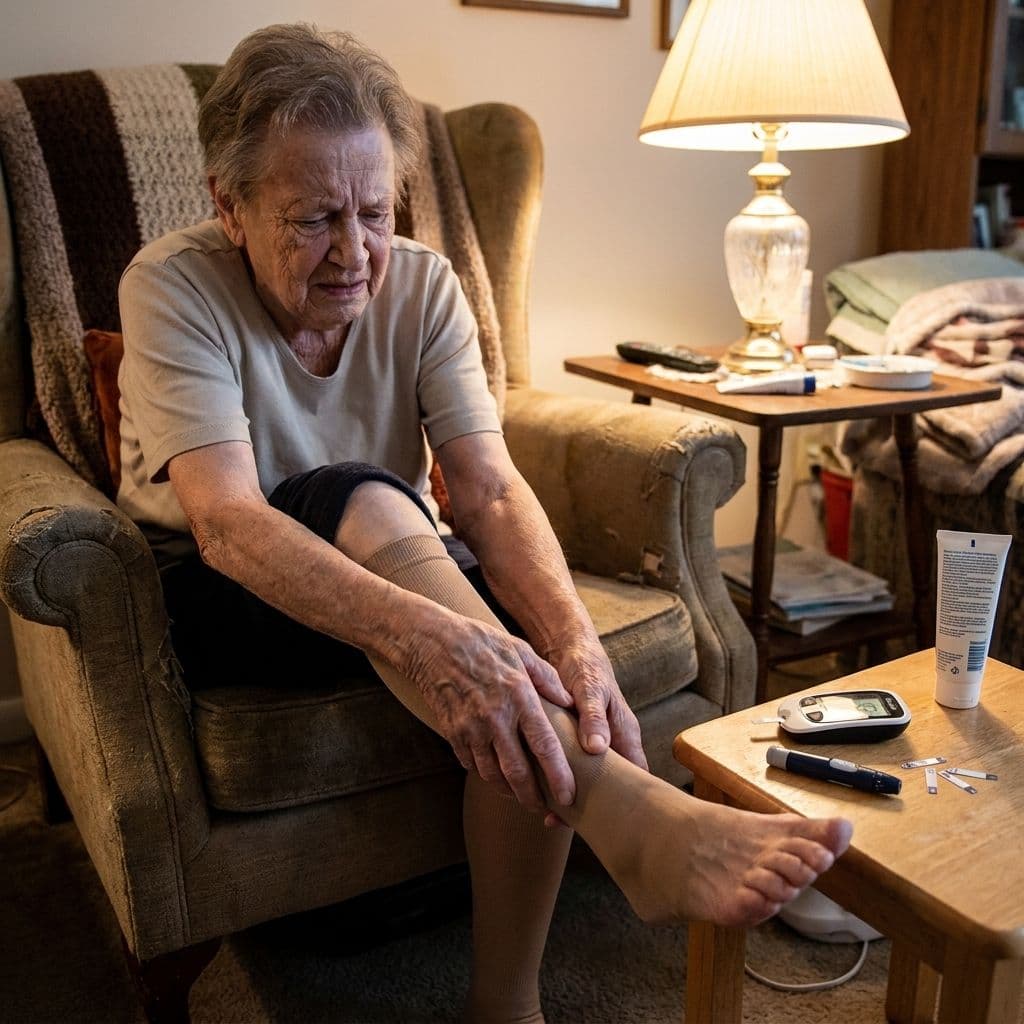
Motor Neuron Disease (MND) damages the nerve cells controlling muscles, causing progressive weakness, twitching, swallowing trouble, and breathing difficulty. In Ayurveda, it is classified under Sarvanga Vatam (generalized Vata disturbance), Avaranavata (blockage of nervous flow), and Majjagata vata (Vata in bone marrow and nervous system). Ayurveda treats it through specialized Panchakarma, herbal medicines, and a carefully structured diet and lifestyle protocol.
Premenstrual Tension (PMS): Ayurvedic Treatment & Management
Premenstrual tension, also known as premenstrual syndrome (PMS), is a common condition experienced by many women before their menstrual period. Modern medicine studies it as a psychoneuroendocrinological disorder, while Ayurveda views it as an imbalance in the three doshas—Vata, Pitta, and Kapha—with a focus on Pittavritta Vyana Vayu, which disrupts emotional and physical balance. Symptoms include abdominal bloating, water retention, leg swelling, weight gain, mood swings (irritability, tearfulness, depression, anxiety), and breast tenderness.

Urticaria
Urticaria, or hives, appears as sudden itchy red patches called wheals. The skin may sting or burn. These spots often arise after an allergy, exposure to cold breeze, or consumption of heavy or cold foods that block digestion. Ayurveda views Urticaria as a Tridosha imbalance, primarily involving Kapha and Vata doshas, with vitiation of Rakta Dhatu (blood tissue). Common causes include allergic reactions, cold breeze exposure, Abhishyandi (channel-blocking foods), and poor digestion leading to toxin formation.